New AI trial aims to speed up Sale bus journeys
By Charlotte Hall - Local Democracy Reporting Service 26th Nov 2026
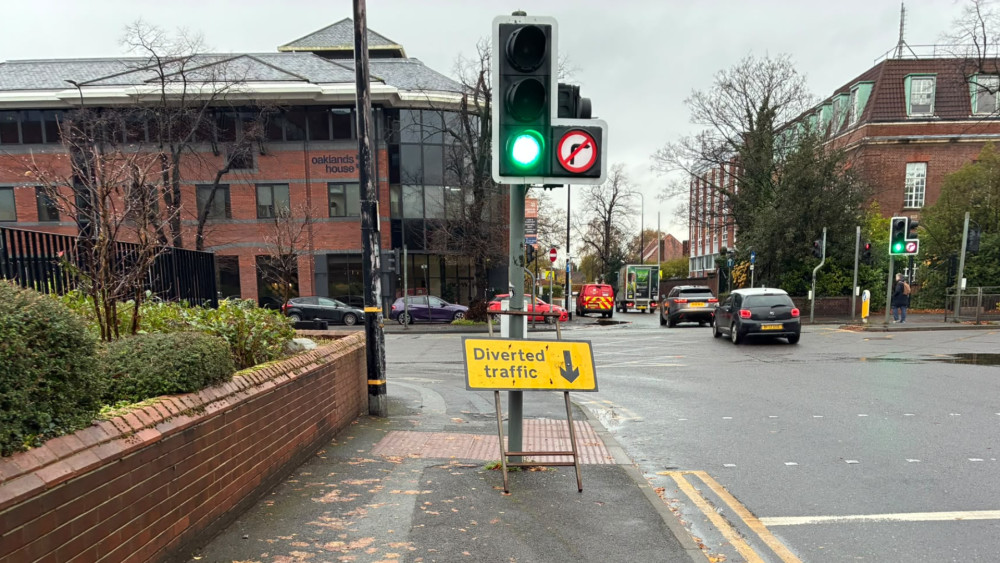
Sale bus passengers will notice quicker journey times across Greater Manchester if a novel new technology being trialled works as intended.
Transport bosses have revealed they are piloting a new smart road technology powered by AI to control traffic signals across the city region.
It is hoped the new system will help to alleviate delays by prioritising buses and improving traffic flow at junctions.
Danny Vaughan, TfGM's chief network officer, said: "We are looking at next-generation traffic signals using AI. We're not going to be able to put that many new bus lanes in across Greater Manchester, so we do need to start looking at technology to make [congestion and delays] better."
The 'FUSION' adaptive traffic signal technology is being piloted at 40 locations across Greater Manchester, and promises to improve traffic efficiency by 25 per cent. The changes come alongside a ramping up of the electrification of Greater Manchester's buses. A total of 584 zero-emission buses are now in service on the roads across Greater Manchester, it was revealed.
That's 549 more than were operating before buses were brought back under public control. Pre-franchising, which came into force in September 2023, just 35 all-electric buses were in operation in the city region.
In a report presented to the committee, Mr Vaughan said a total of 99 services were now operated entirely by electric buses.
Out of all Greater Manchester's buses, just over a third are now electric, with that figure set to increase as more than 100 more are due to launch on the roads before the end of the year.
Mr Vaughan said: "584 zero-emission buses are now in operation, representing 33.6 per cent of the Bee Network fleet.
"This compares with around 35 electric buses operating before franchising began in September 2023. A total of 99 services are now operated entirely by electric buses.
"A further 163 electric buses are due to enter service before the end of 2026, keeping the Bee Network on track for a fully electric bus fleet by 2030 and supporting an estimated reduction of more than 76,000 tonnes of carbon dioxide each year."
Download our Nub News App:
- It’s FREE and available now
- Breaking news notifications
- Your Town in Your Pocket


Share: